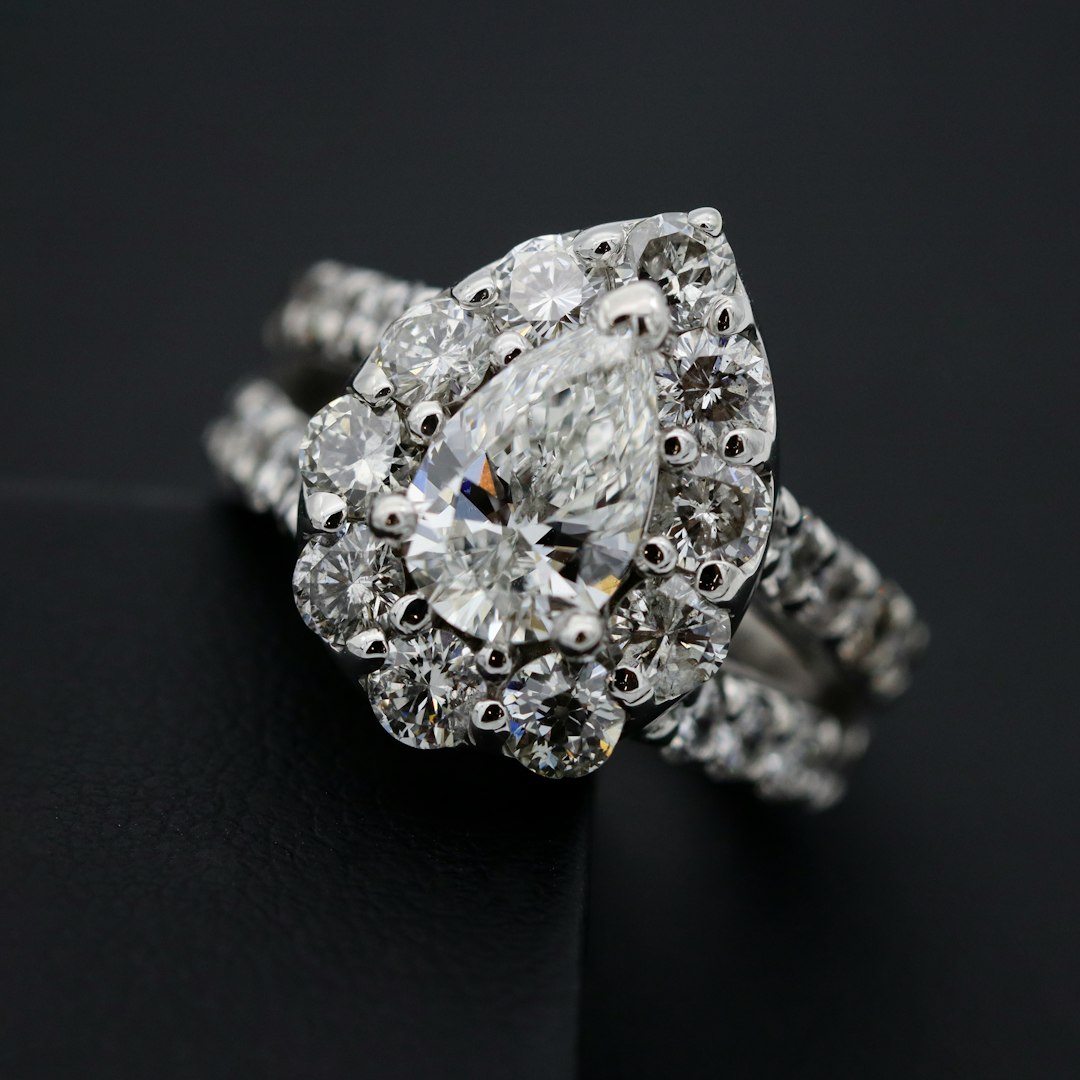
Overview: A Dual-Track Evolution in the Diamond Market
The global diamond industry is undergoing a structural shift as lab-grown diamonds gain acceptance alongside natural diamonds. Rather than replacing traditional stones, lab-grown diamonds are expanding the market by introducing new consumer segments, price points, and design possibilities.
Industry leaders such as Chaitanya V Cotha and C Vinod Hayagriv from C Krishniah Chetty Group highlight that the industry is moving toward a parallel market structure, where both categories coexist with distinct value propositions.
Understanding the Difference: Lab-Grown vs Natural Diamonds
Natural Diamonds
Formed over millions to billions of years beneath the Earth’s surface
Valued for rarity, geological origin, and heritage
Typically dominate the luxury and investment segments
Lab-Grown Diamonds
Created in controlled laboratory environments using advanced technology
Possess identical chemical and physical properties to natural diamonds
Offer greater affordability and accessibility
This fundamental distinction shapes how each category is perceived and positioned in the market.
Price Gap and Accessibility
One of the most significant drivers of market change is the price differential:
A 1-carat F-VVS natural diamond: approximately ₹7.5 lakh
Comparable lab-grown diamond: approximately ₹45,000
This gap allows lab-grown diamonds to lower the entry barrier, attracting first-time buyers and younger consumers who may have previously been priced out of the market.
Changing Consumer Preferences
Modern consumers—particularly Millennials and Gen Z—are influencing demand patterns through:
Preference for sustainability and ethical sourcing
Interest in traceability and transparency
Openness to innovation and alternative luxury products
Lab-grown diamonds align well with these expectations due to their controlled production process and consistent quality.
Market Positioning: Luxury vs Accessibility
According to C Vinod Hayagriv, natural diamonds are expected to retain dominance in the luxury segment, driven by:
Scarcity and uniqueness
Emotional and cultural value
Long-term desirability among collectors
At the same time, lab-grown diamonds are positioned as a technology-driven, accessible alternative, supporting growth in mass and mid-market segments.
Parallel Market Model: Lessons from the Ruby Industry
The diamond industry may follow a trajectory similar to the ruby market, where both natural and synthetic stones coexist.
Ruby Market Insights:
Natural ruby production (2016–2026): ~95%–110% growth
Synthetic ruby growth: ~110%–125%
Synthetic market share (2026): ~39%
This model demonstrates that synthetic alternatives can expand total market size without displacing natural gemstones.
Growth Outlook for Diamonds
Industry projections suggest:
Natural diamond market growth: 5–10% annually over the next decade
Continued expansion of lab-grown diamond adoption globally
Increasing segmentation between luxury and accessible jewellery markets
This indicates a complementary growth dynamic, rather than direct competition.
Strategic Industry Implications
1. Market Expansion
Lab-grown diamonds are increasing overall demand by attracting new customer segments.
2. Brand Differentiation
Jewellery brands must clearly position offerings between:
Heritage and rarity (natural diamonds)
Innovation and affordability (lab-grown diamonds)
3. Consumer Education
Transparency around origin, pricing, and value is becoming essential to maintain trust.