Introduction: Understanding Lab Grown vs Natural Diamonds
Diamonds have long represented love, luxury, and lasting commitment. Today, buyers have more choice than ever, with lab grown diamonds and natural diamonds both widely available.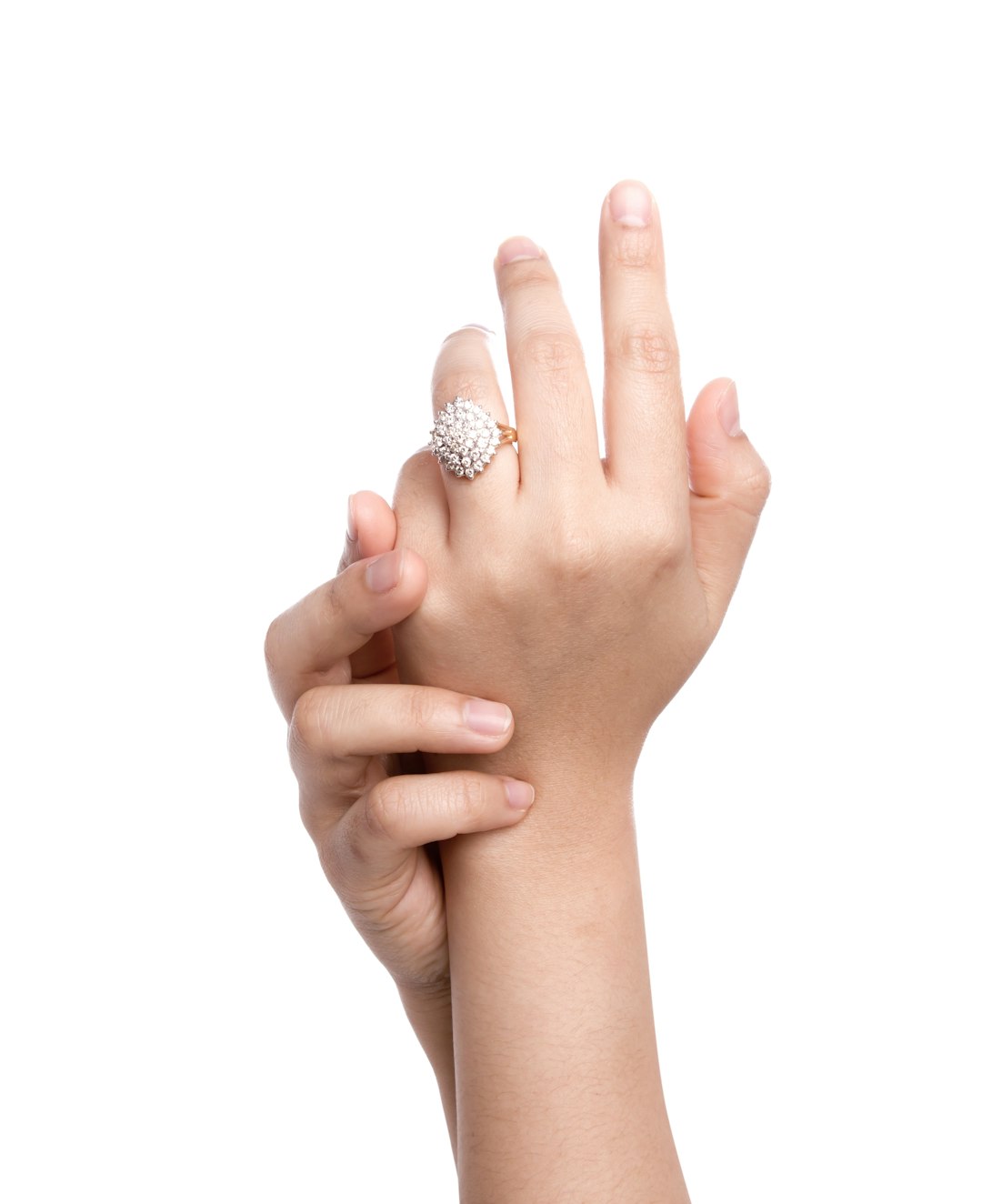
While they look identical, these two types differ in how they are formed, how they are priced, and how they impact the environment. Understanding these differences helps you make a confident and informed purchase.
What Are Lab Grown Diamonds?
Lab grown diamonds are created in controlled environments using advanced technology that replicates the natural diamond formation process.
Key Points:
- Produced using HPHT (High Pressure High Temperature) or CVD (Chemical Vapor Deposition)
- Share the same chemical composition and physical properties as natural diamonds
- Created in weeks rather than billions of years
- Typically 50–70% more affordable
Lab grown diamonds offer a modern alternative for buyers who value efficiency, transparency, and affordability.
What Are Natural Diamonds?
Natural diamonds form deep within the Earth over billions of years under extreme heat and pressure.
Key Points:
- Mined from the Earth’s mantle
- Each stone has unique internal characteristics
- Limited supply contributes to higher pricing
- Long journey from mining to market
For many buyers, natural diamonds carry a sense of history, rarity, and tradition.
Price Comparison: Which Offers Better Value?
Lab Grown Diamonds:
- Cost significantly less for the same quality
- Allow buyers to choose larger or higher-grade stones
- Ideal for budget-conscious buyers
Natural Diamonds:
- Higher prices due to rarity and sourcing process
- Often associated with luxury and exclusivity
Quality Comparison: Are They the Same?
Lab grown and natural diamonds are identical in structure and performance.
- Hardness: 10 on Mohs scale
- Brilliance: Same refractive index (2.42)
- Grading: Based on the same 4Cs (cut, color, clarity, carat)
Certification: What You Need to Know
Certification ensures transparency and quality when buying any diamond.
Trusted Labs:
- IGI (International Gemological Institute)
- GIA (Gemological Institute of America)
A certificate verifies:
- 4C grading
- Diamond authenticity
- Whether the diamond is lab grown or natural
Pros and Cons of Lab Grown Diamonds
Advantages:
- More affordable pricing
- Lower environmental impact
- Consistent quality
- Transparent sourcing
Considerations:
- Lower resale value
- Less rarity
- Market value still evolving
Pros and Cons of Natural Diamonds
Advantages:
- Rare and unique
- Stronger resale perception
- Deep cultural and emotional value
- Long-standing market demand
Considerations:
- Higher cost
- Environmental impact from mining
- Ethical concerns in some cases
Resale Value & Investment Perspective
- Natural diamonds:
- Better resale history
- Rare stones may retain or increase value
- Lab grown diamonds:
- Depreciate faster
- Better suited for personal use rather than investment
Which Diamond Is Better for Engagement Rings?
Choose Lab Grown Diamonds if:
- You want maximum value for money
- You prefer modern and sustainable options
- You want a larger stone within budget
Choose Natural Diamonds if:
- You value tradition and rarity
- You want a symbol with historical significance
- You consider long-term perception and resale
How to Choose the Right Diamond
- Define your budget
- Prioritize what matters (size, sustainability, tradition)
- Compare 4Cs carefully
- Check certification (IGI or GIA)
- Buy from a trusted source
Key Takeaways
- Lab grown diamonds share the same properties as natural diamonds
- They cost 50–70% less on average
- Natural diamonds are valued for rarity and tradition
- Lab diamonds offer better value and sustainability
- Certification is essential for both types
- The best choice depends on your personal priorities
Final Verdict: Lab Grown vs Natural Diamonds
Both lab grown and natural diamonds are excellent choices, offering the same brilliance and durability.
- Choose lab grown diamonds for affordability, sustainability, and modern value
- Choose natural diamonds for rarity, tradition, and long-term perception
Ultimately, the right diamond is the one that aligns with your budget, values, and personal meaning.