Introduction
Few companies have influenced a global industry as deeply as De Beers. Founded in 1888 by Cecil Rhodes in South Africa, the company didn’t just participate in the diamond trade—it structured, controlled, and defined it for over a century.
At its peak, De Beers controlled nearly 85% of the world’s rough diamond supply, shaping pricing, distribution, and even consumer perception. Today, while it no longer holds monopoly power, its legacy continues to guide how diamonds are mined, graded, marketed, and sold globally.
This article explains how De Beers built the modern diamond industry, how it transitioned away from monopoly control, and why it still remains one of the most influential names in the market.
The Rise of a Global Diamond Monopoly (1888–1990s)
During the late 19th and 20th centuries, De Beers established an unprecedented level of control through its Central Selling Organisation (CSO). This system allowed the company to:
- Aggregate diamonds from multiple mines worldwide
- Regulate global supply
- Maintain consistent pricing
Instead of flooding the market, De Beers strategically released diamonds to preserve scarcity. This approach ensured:
- Stable pricing even during economic downturns
- Long-term value perception among consumers
- Predictable income for producing nations
This level of control made De Beers one of the most powerful commodity organizations in history.
The Marketing Strategy That Changed Consumer Behavior
One of De Beers’ most significant contributions was not mining but marketing.
In 1947, working with N.W. Ayer, the company introduced the slogan: “A Diamond Is Forever.”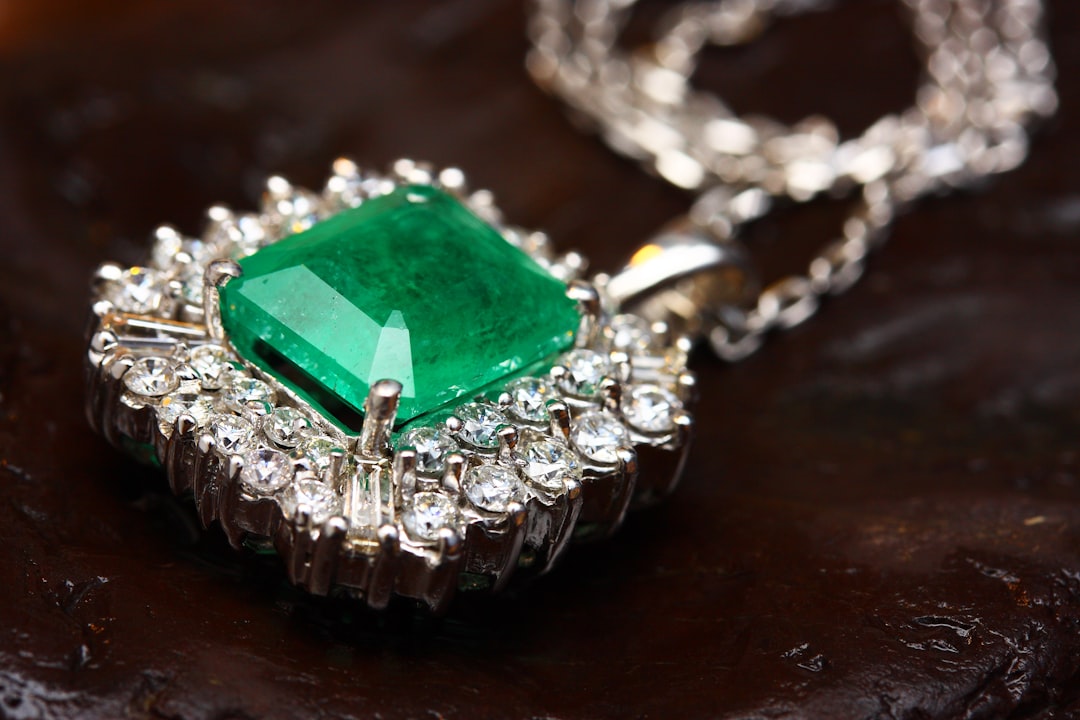
This campaign:
- Positioned diamonds as symbols of eternal love
- Created the modern engagement ring tradition
- Shifted diamonds from luxury goods to emotional necessities
The slogan became so influential that it was later named the greatest advertising slogan of the 20th century. Today, the global demand for diamond engagement rings still reflects this campaign’s impact.
Industry Standards That Still Define Diamonds Today
De Beers didn’t just control supply it helped create the rules of the industry.
1. The Sightholder System
De Beers built a trusted network of authorized buyers known as “Sightholders,” ensuring:
- Consistent quality standards
- Long-term business relationships
- Controlled distribution channels
2. The 4Cs Grading System
In collaboration with the Gemological Institute of America, De Beers promoted the universal diamond grading system:
- Cut
- Colour
- Clarity
- Carat
This system remains the global standard for diamond evaluation.
3. Supply Stabilization
By stockpiling diamonds during low demand periods, De Beers prevented price collapses—protecting both producers and market confidence.
Addressing Ethical Concerns: The Blood Diamond Era
In the 1990s, the issue of conflict diamonds (also known as blood diamonds) raised serious ethical concerns across the industry.
De Beers played a role in supporting the creation of the Kimberley Process Certification Scheme, which aims to:
- Prevent illegal diamonds from entering global markets
- Increase transparency in sourcing
- Promote responsible trade practices
While challenges remain, this initiative marked a major shift toward ethical accountability in the diamond sector.
The End of Monopoly and Industry Transformation
By the late 1990s and early 2000s, De Beers’ dominance began to decline due to:
- New diamond producers entering the market
- Independent sales channels bypassing the CSO
- Legal pressure from antitrust regulations
In 2004, De Beers settled a U.S. class-action lawsuit, signaling the end of its monopoly-era strategy.
At the same time, new competitors emerged, including:
- ALROSA
- Rio Tinto
- Lucara Diamond
- Petra Diamonds
This shift transformed the industry into a competitive global marketplace.
Strategic Reinvention: From Supplier to Brand
Rather than resisting change, De Beers adapted its strategy:
- Supplier of Choice Program
Encouraged partners to invest in branding and marketing rather than relying solely on supply access.
- Retail Expansion
De Beers entered the consumer market directly through its jewelry business, strengthening brand identity.
- Ownership Model
Today, De Beers is jointly owned by:
- Anglo American (85%)
- Government of Botswana (15%)
This partnership is often cited as a model for resource-sharing and economic development.
Innovation in a Changing Market: Lab-Grown Diamonds
In 2018, De Beers launched Lightbox Jewelry, entering the lab-grown diamond segment.
Instead of competing directly with natural diamonds, the strategy was to:
- Position lab-grown diamonds as affordable fashion jewelry
- Maintain the premium perception of natural diamonds
- Define market categories clearly
This move demonstrated De Beers’ continued ability to shape industry narratives.
Why De Beers Still Matters Today
Even without monopoly control, De Beers remains influential because:
- Its grading systems are globally accepted
- Its marketing created modern diamond demand
- Its ethical frameworks guide industry policy
- Its historical model shaped supply chain structures
Many modern diamond companies still use De Beers as a benchmark for strategy and long-term value creation.
Conclusion: From Industry Controller to Industry Architect
The story of De Beers is not just about dominance it’s about transformation.
The company built the systems that define the diamond trade, created the emotional value behind the product, and later adapted to a more transparent and competitive global market.
Today’s diamond industry diverse, regulated, and innovation-driven exists largely because of the foundation De Beers established.
Its role has shifted from controlling the market to influencing it, making it less of a monopoly power and more of a long-standing architect of the modern diamond world.