A New Diamond Narrative: From Legacy to Lifestyle
For decades, diamonds symbolized tradition—reserved for weddings, anniversaries, and heirloom collections. That narrative is now being reshaped by Gen Z, a generation that values immediacy, individuality, and informed consumption.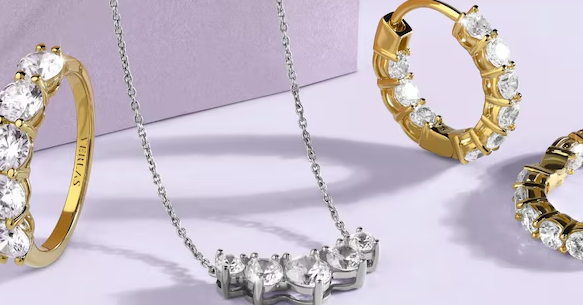
Instead of waiting for milestone moments, Gen Z is integrating diamonds into everyday life—wearing them casually, styling them freely, and most importantly, buying them independently. At the center of this shift is the growing preference for lab-grown diamonds, which align more closely with their values and lifestyle.
Brands like Verlas highlight this evolution, noting that ownership today is less about status display and more about intentional decision-making.
Why Lab-Grown Diamonds Appeal to Gen Z
1. Meaning Over Price
Traditional diamond value was tied to carat size, rarity, and cost. Gen Z is flipping that logic. They are more interested in:
- What the diamond represents
- How it was made
- Why it was chosen
A lab-grown diamond signals awareness, technology adoption, and conscious luxury—a shift echoed by emerging brands like Ria Diamonds.
2. Affordable Luxury Without Compromise
Lab-grown diamonds offer the same physical, chemical, and optical properties as natural diamonds—at a significantly lower cost.
This price advantage allows buyers to:
- Choose larger stones
- Prioritize design and craftsmanship
- Experiment with multiple styles
For Gen Z, this removes the “intimidation factor” traditionally associated with diamond purchases.
3. Everyday Wear, Not Occasional Storage
Unlike previous generations who stored diamonds for rare occasions, Gen Z prefers daily wearability.
Popular trends include:
- Stackable rings
- Minimal solitaires
- Lightweight, versatile designs
These pieces transition seamlessly from casual settings to professional and social environments, reflecting a lifestyle-first approach to luxury.
The Rise of Self-Purchase Culture
One of the most defining behavioral shifts is the move from gifted jewelry to self-purchased jewelry.
Gen Z consumers are increasingly:
- Buying diamonds for themselves
- Celebrating personal achievements
- Creating “modern heirlooms” tied to their own stories
This trend redefines diamonds as tools of self-expression rather than social obligation.
Sustainability, Ethics & Transparency
Ethical sourcing and sustainability matter—but not in isolation. Gen Z expects:
- Responsible production
- Transparent pricing
- High-quality design
Lab-grown diamonds naturally align with these expectations, offering a lower environmental footprint and clearer supply chains compared to traditionally mined stones.
However, the final purchase decision still depends on design appeal and perceived value, not ethics alone.
The Social Media Effect
Social media platforms have played a major role in accelerating this trend by:
- Making diamond education accessible
- Normalizing lab-grown diamonds as mainstream
- Showcasing everyday styling through influencers
This has shifted diamonds from being aspirational luxury items to relatable lifestyle products.
Gen Z consumers now approach purchases with a research-driven mindset—seeking clarity on origin, pricing, and quality before buying.
Lab-Grown vs Natural Diamonds: A Hybrid Future
Despite the surge in lab-grown popularity, natural diamonds are not disappearing. Instead, the market is evolving into a dual-category system:
- Lab-Grown Diamonds:
- Everyday wear
- Fashion-forward designs
- Self-purchase
- Natural Diamonds:
- Weddings
- Legacy pieces
- Emotional milestones
This “hybrid future” reflects a more nuanced consumer mindset where purpose defines the purchase.
What This Trend Reveals About Gen Z
The rise of lab-grown diamonds signals a deeper transformation in consumer behavior:
- Shift from status-driven to value-driven buying
- Preference for accessibility over exclusivity
- Emphasis on personal meaning over societal norms
In essence, Gen Z is redefining luxury—not as something to inherit, but something to experience, understand, and personalize.
Conclusion
Lab-grown diamonds are no longer seen as alternatives—they are becoming the default choice for a new generation. By combining affordability, ethics, and design flexibility, they perfectly align with Gen Z’s expectations of modern luxury.
As this trend accelerates, the diamond industry is entering a new era—one where informed choices matter more than tradition, and where ownership is defined not by price, but by purpose.